
How to Rate a Model Railway Layout

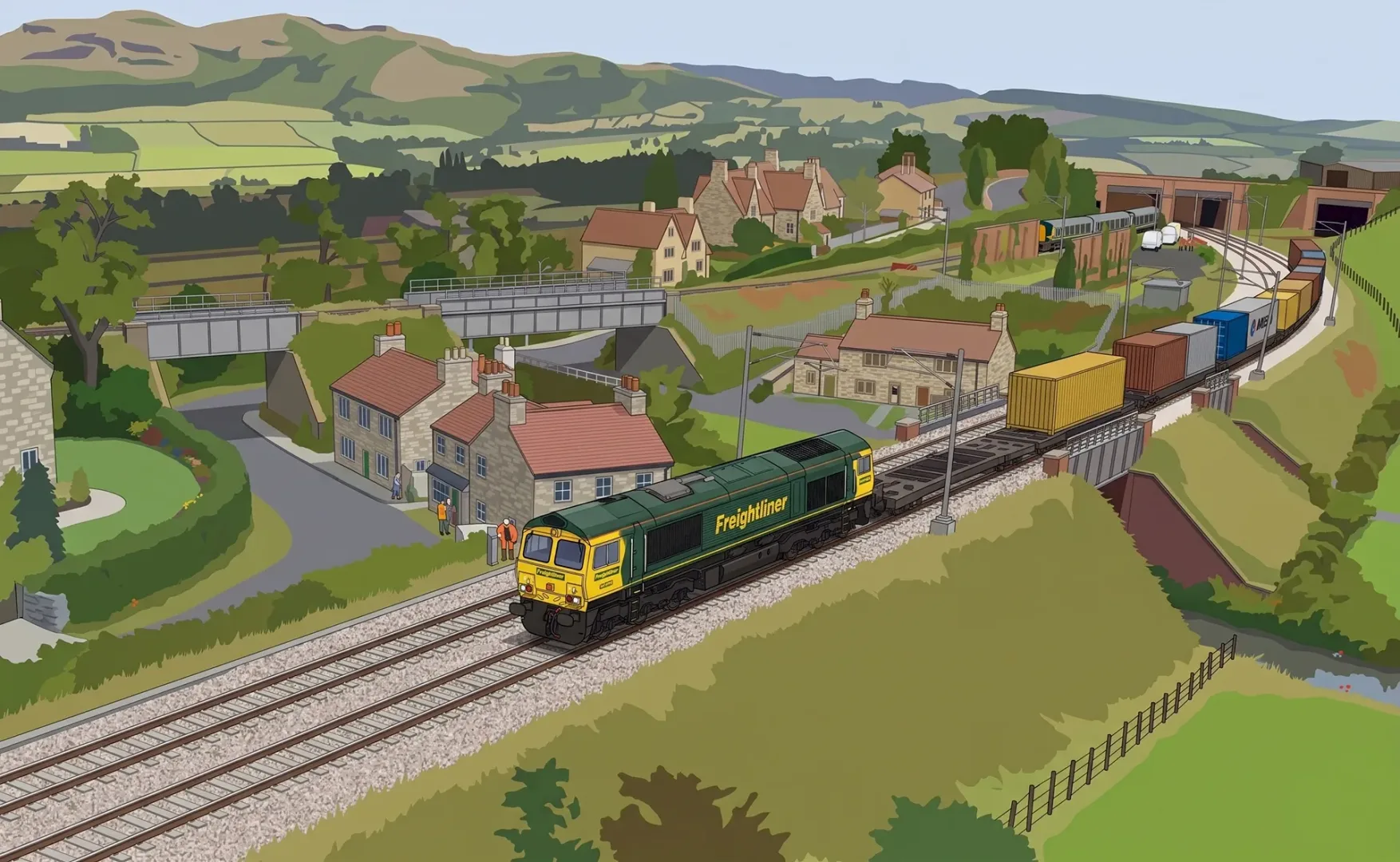
A layout can stop you in your tracks for completely different reasons. Sometimes it is the sheer atmosphere - a moody branch line in autumn, a busy depot full of life, or a tiny shunting plank that simply works. Other times, it is the craftsmanship, the operating potential, or the way the whole scene feels believable. If you have ever wondered how to rate a model railway layout, the best place to start is by looking beyond first impressions without losing them.
Good rating is not about fault-finding. It is about recognising what a builder set out to achieve, then judging how well the layout delivers it. A compact N gauge industrial scene should not be marked down because it does not offer the running length of a large OO loft empire. Likewise, a huge round-and-round layout is not automatically better than a carefully composed cameo. The fairest ratings balance ambition, execution and enjoyment.
How to rate a model railway layout fairly
The strongest ratings come from a simple question: what is this layout trying to be? Before scoring scenery, track or realism, take a moment to understand the builder's intent. Is it a finescale exhibition piece, a family-friendly running layout, a historically researched region, or a freelance world built for fun? Context matters.
A layout should be judged against its own goals, its size, and the gauge it uses. In Z or N gauge, compression is often unavoidable. In O or G gauge, fewer scenes may be possible, but detail and physical presence can be exceptional. Narrow gauge layouts often lean into character and atmosphere over strict main line realism. Fair rating means respecting those choices rather than applying one rigid standard to everything.
It also helps to separate personal taste from quality. You may prefer BR blue to Great Western branch lines, diesel depots to alpine scenery, or modern image to steam era. That is fine. But a good rating looks at how well the layout is built and presented, not only whether it matches your favourite prototype.
Start with overall impact
First impressions matter because model railways are visual storytelling. Within seconds, most viewers know whether a layout feels coherent or confused. Ask yourself whether the scene has a clear identity. Does it know what it wants to show? Can you tell the era, setting or operating purpose without guessing wildly?
Overall impact often comes from consistency. The buildings, rolling stock, weathering, scenic treatment and backscene should feel as though they belong in the same world. A beautifully weathered yard beside toy-like accessories can weaken the effect. Equally, a simple layout with a strong sense of place can score highly because everything works together.
This is also where emotional response counts. If a layout makes you want to look closer, spot details, imagine trains arriving and departing, or borrow ideas for your own work, it is doing something right. That feeling should not replace practical assessment, but it deserves weight.
Track plan and use of space
A clever track plan is not always a complex one. Some of the most satisfying layouts use very little track but use it well. Rate the plan on purpose, not size. Does the arrangement support realistic operation, visual interest, or both? Are there believable sidings, useful loops, hidden storage, or a sense that trains have somewhere to come from and somewhere to go?
Space matters just as much as track. Overcrowding is one of the most common weaknesses in any gauge. If every inch is filled with point work, buildings and stock, the layout can lose realism fast. A bit of breathing room often makes scenes look bigger and more convincing. On the other hand, a sparse layout with too much empty board may feel unfinished unless that openness reflects the prototype.
If the layout is designed mainly for watching trains run, judge it on how well it delivers that pleasure. If it is built for shunting or timetable operation, ask whether the plan supports meaningful movement. There is no single correct answer - only whether the design does its job well.
Running quality and operation
Even the best-looking layout loses marks if trains constantly derail, hesitate, or look awkward negotiating the track. Reliable running is not flashy, but it is a major part of good layout building. Watch for smooth starts, consistent speeds, clean point work and stock that looks comfortable on the curves.
Operation is broader than reliability. Consider whether movements make sense. Do trains suit the line and era? Is there a believable sequence to goods traffic, passenger workings or yard activity? On a small terminus, a locomotive release move can add more interest than a long main line circuit. On a large continuous run layout, the variety and flow of trains may be the main attraction.
This is one area where trade-offs are perfectly normal. Tight curves may be acceptable on a compact home layout if they are hidden or visually softened. Exhibition standards and home-running standards are not always the same. Rate accordingly.
Scenery, structures and detail
Scenery is often the first thing people comment on, but strong scenery is more than neat grass and a few figures. It should support scale, mood and place. Look at landform first. Are embankments, cuttings, roads and water features shaped naturally, or do they sit awkwardly on the baseboard? A layout with convincing contours usually feels more realistic straight away.
Buildings should suit the setting and sit properly in the scene. A station, signal box or terrace row that blends naturally into the landscape usually scores better than a beautifully made structure dropped in without thought for context. Small details count too, especially when they are restrained. Signs, fencing, people, clutter and vehicles work best when they add life without shouting for attention.
Weathering deserves a balanced view. Heavy weathering can look superb on an industrial layout and completely wrong on a preserved branch line set in summer. Clean stock and structures are not automatically unrealistic if that suits the period or railway being modelled. Again, the question is whether the finish supports the story the layout tells.
Realism and modelling skill
Realism means different things to different builders. For some, it is absolute prototype fidelity. For others, it is about creating a believable world even when the plan or location is fictional. Both approaches can be rated highly.
Look for modelling choices that hold up the illusion. Are trackside elements to scale? Does ballast look appropriate? Are structures proportionate? Do scenic materials blend well? Do locomotives and stock fit the era and region? These details build trust with the viewer.
Skill is not only about expensive kits or advanced techniques. Scratch building, kit bashing, careful painting, neat wiring and thoughtful composition all show ability. A layout can be modest in scope and still demonstrate serious craftsmanship. Equally, a large and ambitious build may deserve credit for scale and vision even if some sections are still developing. Rating should recognise both polish and effort, but not confuse one for the other.
Presentation matters more than many modellers think
A layout is often judged through photographs or video before anyone sees it in person. That means presentation affects rating, even when the modelling itself is strong. Clear, well-lit images help viewers appreciate the work properly. Poor lighting, cluttered backgrounds or awkward angles can make good modelling look weaker than it is.
If you are rating from images alone, be aware of the limits. Camera close-ups can flatter tiny scenes and hide rough transitions. Wide shots can reveal composition but lose detail. A fair viewer reads both. The best presentation shows the layout honestly while still giving it the attention it deserves.
At exhibition level, fascia, lighting and neat edges also count. They frame the model world and shape how immersive it feels. A clean presentation can lift a layout noticeably.
A simple way to score without overthinking it
If you want a practical method, score the layout across five areas: concept and coherence, track plan and operation, scenery and structures, realism and modelling skill, and presentation or overall enjoyment. A five-point or ten-point scale works well because it leaves room for nuance.
The key is consistency. If you give one layout high marks for atmosphere, do the same for another even if it is not your preferred era. If operation matters heavily in your ratings, apply that standard across the board. The aim is not to behave like a competition judge. It is to give feedback that is fair, useful and rooted in the hobby.
What makes a rating genuinely helpful
The best ratings usually include a sentence or two explaining why. “Great layout” is friendly, but “excellent use of depth and believable weathering, though the yard feels a little crowded” gives the builder something real to work with. Praise should be specific, and any criticism should be respectful.
Most modellers share their work because they want to connect, improve and inspire others. That is worth remembering. A thoughtful rating helps the whole community by highlighting what works, encouraging better standards, and giving builders recognition for the details that fellow enthusiasts notice.
When you rate a layout, you are not just handing out a score. You are saying, I see what you were aiming for, and here is how well it comes across. That kind of response is far more valuable than chasing perfection, because every layout has something to teach the rest of us.
Related Posts

Comments (0)
Community Guidelines
Keep all comments friendly. Feedback should be constructive and no derogatory comments are tolerated.
Sign in to join the conversation
No comments yet
Be the first to share your thoughts!