
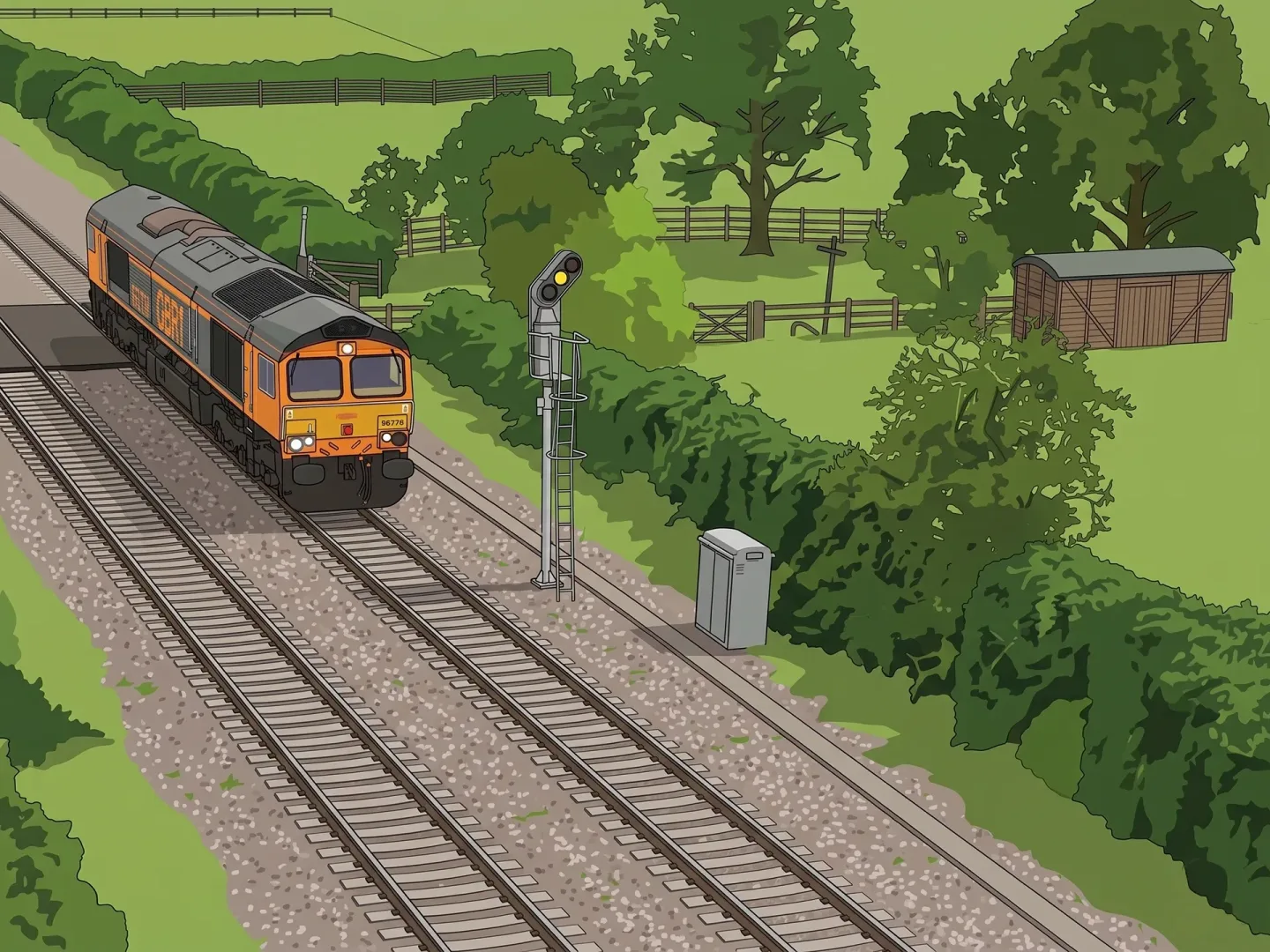
11 Model Railway Layout Ideas That Work

A spare bedroom, a garage wall, a board in the loft - every layout starts with the same question: what actually belongs in the space you’ve got? The best model railway layout ideas are not always the biggest or the busiest. They are the ones that suit your room, your gauge, your budget and the way you enjoy running trains.
That is worth saying early, because many stalled projects begin with a grand plan borrowed from somebody else. A beautiful exhibition layout might be inspiring, but if your real aim is relaxed evening operation or a manageable scenic build, something smaller and sharper in focus will often give more satisfaction. Good design is less about cramming in everything you like and more about choosing one strong idea and building around it.
Model railway layout ideas that match how you run trains
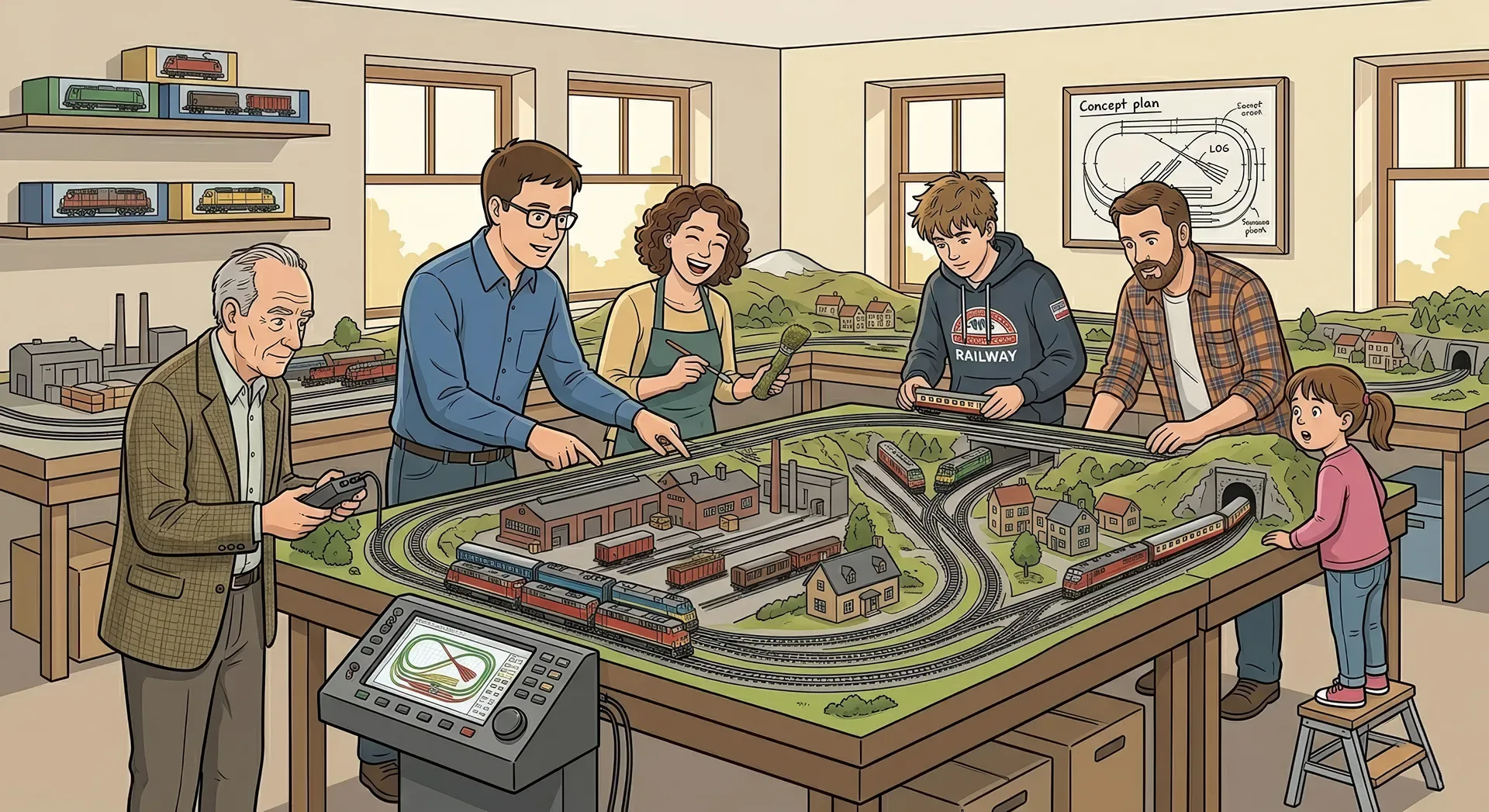
Before picking a theme, think about what keeps you interested at the workbench and at the controller. Some builders love continuous running. Others want shunting puzzles, passenger timetables, heavy weathering, or dramatic landscape work. The right concept depends on that answer.
The compact terminus
A branch line terminus is one of the most reliable layout concepts in the hobby. It works especially well in OO, HO and N, and it gives you a believable reason for a station, a goods yard, an engine release move and a small locomotive fleet. You can create varied operation without needing a huge circuit.
This style suits modellers who enjoy detail and railway atmosphere more than raw train length. The trade-off is obvious - if your favourite sight is a long express charging through open countryside, a compact terminus can feel constrained. But for a room-friendly layout with genuine operating interest, it remains hard to beat.
The end-to-end shunting layout
If space is tight, an industrial or dockside shunting plan makes excellent sense. A few sidings, a run-round loop and a clear scenic identity can produce hours of operation. This is one of the smartest options for anyone building on a shelf or narrow board.
The strength here is focus. You can pour effort into track weathering, yard surfaces, loading scenes and wagon movements without needing a great deal of main line trackage. It is also a good format for newer builders because the project feels finishable. The limitation is that it can become repetitive unless the track plan and operating pattern have some variety.
The continuous oval done properly
There is nothing wrong with wanting trains to go round. In fact, for many home builders, a continuous run is the whole point. The key is to avoid treating the oval as a compromise. Shape it, disguise it and give it purpose.
A folded loop with scenic breaks, a station on one side and a hidden fiddle area on the other can feel far more substantial than a plain train-set circuit. Add changes in level or a view block through the middle and the same train can appear to travel somewhere. For family layouts and relaxed running, this approach is practical and rewarding.
Scenic concepts that give a layout character
Once the operating style is clear, scenery becomes the thing that makes a layout memorable. The strongest concepts usually have a clear sense of place.
The rural branch line
Few themes are as popular as a country branch, and with good reason. It gives you room for embankments, fields, hedgerows, a small halt, perhaps a goods shed and a road bridge. It suits steam, early diesel and even preserved railway settings depending on your taste.
The appeal is balance. You get train movement, a recognisable story and plenty of scenic modelling. It also scales well across gauges. In N gauge, you can suggest distance beautifully. In OO or O, you can really lean into buildings and texture. The only caution is that “generic countryside” can become forgettable unless you commit to a region, season or era.
The urban edge scene
A town fringe layout has a different energy altogether. Brick retaining walls, back gardens, warehouses, terraces, overbridges and cluttered trackwork can look superb, particularly in OO and HO. This style rewards careful observation because real urban railways are full of awkward angles, patched surfaces and compressed views.
It is a strong choice if you enjoy building structures and weathering. The challenge is density. Urban scenes need visual control, otherwise they become messy rather than convincing. Pick a few standout elements and let them breathe.
The mountain or viaduct showcase
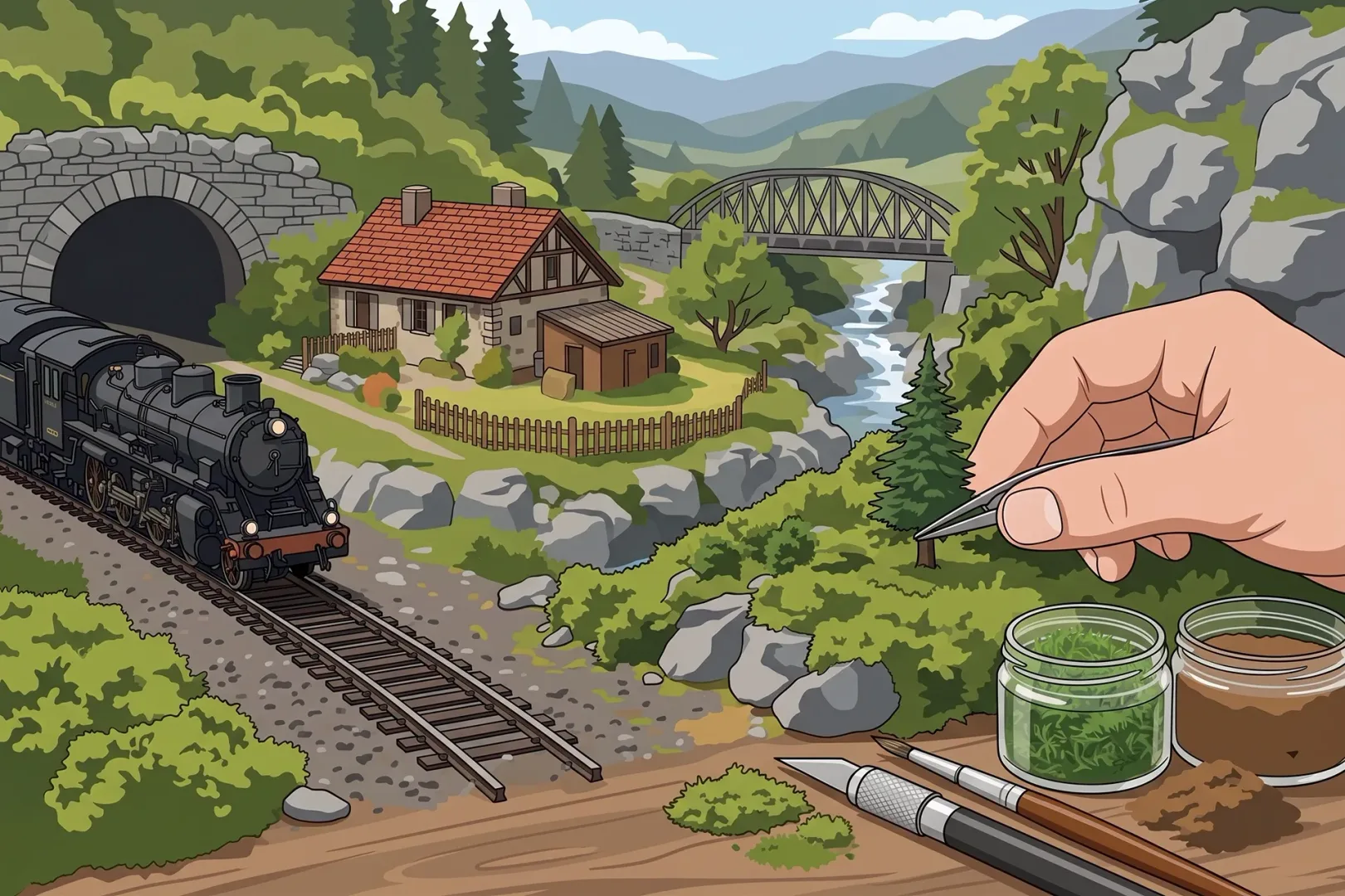
Some layouts are built around one dramatic scene. A sweeping viaduct, a cliffside section, a high retaining wall or a valley crossing can carry the whole design. If you love photography and presentation, this kind of layout can be especially satisfying.
The trick is not to let the signature scene overwhelm the railway itself. A bridge is more impressive when it belongs to a route with a reason to exist. Give the line a destination, hide where trains come from and go to, and the scenic centrepiece will feel earned rather than dropped in.
Practical layout ideas by size
The room usually wins in the end, so it helps to think in realistic categories rather than fantasy floorplans.
Small room or spare corner
A shelf layout, L-shape or door-sized board is often the best use of limited space. In N gauge, this can still support a proper station-to-fiddle-yard arrangement. In OO, it is ideal for branch lines, trams, industrial scenes or compact termini.
One smart move is to build for reach before anything else. If you cannot comfortably access the back of the layout, scenery and maintenance will become a chore. Narrower boards often lead to better modelling because every inch remains workable.
Medium room with around-the-walls potential
This is where many of the most satisfying home layouts live. Around-the-walls planning gives you longer runs, broader curves and more believable station spacing without swallowing the entire room. A lift-out or hinged section across the doorway can complete the circuit if you want continuous running.
This approach suits modellers who want a sense of journey. It also allows scenes to change from town to country to yard more naturally. The compromise is complexity - wiring, baseboards and access need more forethought from the beginning.
Garage or loft projects
Bigger spaces invite bigger ambitions, but they also bring practical headaches. Temperature swings, dust, lighting and damp can affect track, timber and scenery. A large layout is only enjoyable if the environment supports it.
That said, a garage or loft can be ideal for multi-operator schemes, larger gauges or long main line runs. If you have the room, consider building in scenic sections with clear stages rather than trying to complete the entire railway at once. Momentum matters, and visible progress keeps enthusiasm alive.
Model railway layout ideas by era and theme
The quickest way to make a layout feel coherent is to narrow the time period. Era drives stock choice, buildings, signage, road vehicles and even colours.
Steam-era branch or secondary main line
This remains a favourite because it offers variety - goods wagons, local passenger trains, small engine sheds and rich scenic atmosphere. It is forgiving too, as rural lines often looked slightly worn and uneven, which suits hand-built character.
Transition-era operation
For those who like a mix of steam and diesel, a transition period opens excellent possibilities. You can run older stock alongside newer traction and model a network in change. That sense of overlap adds visual and operational interest.
Modern image freight or passenger scene
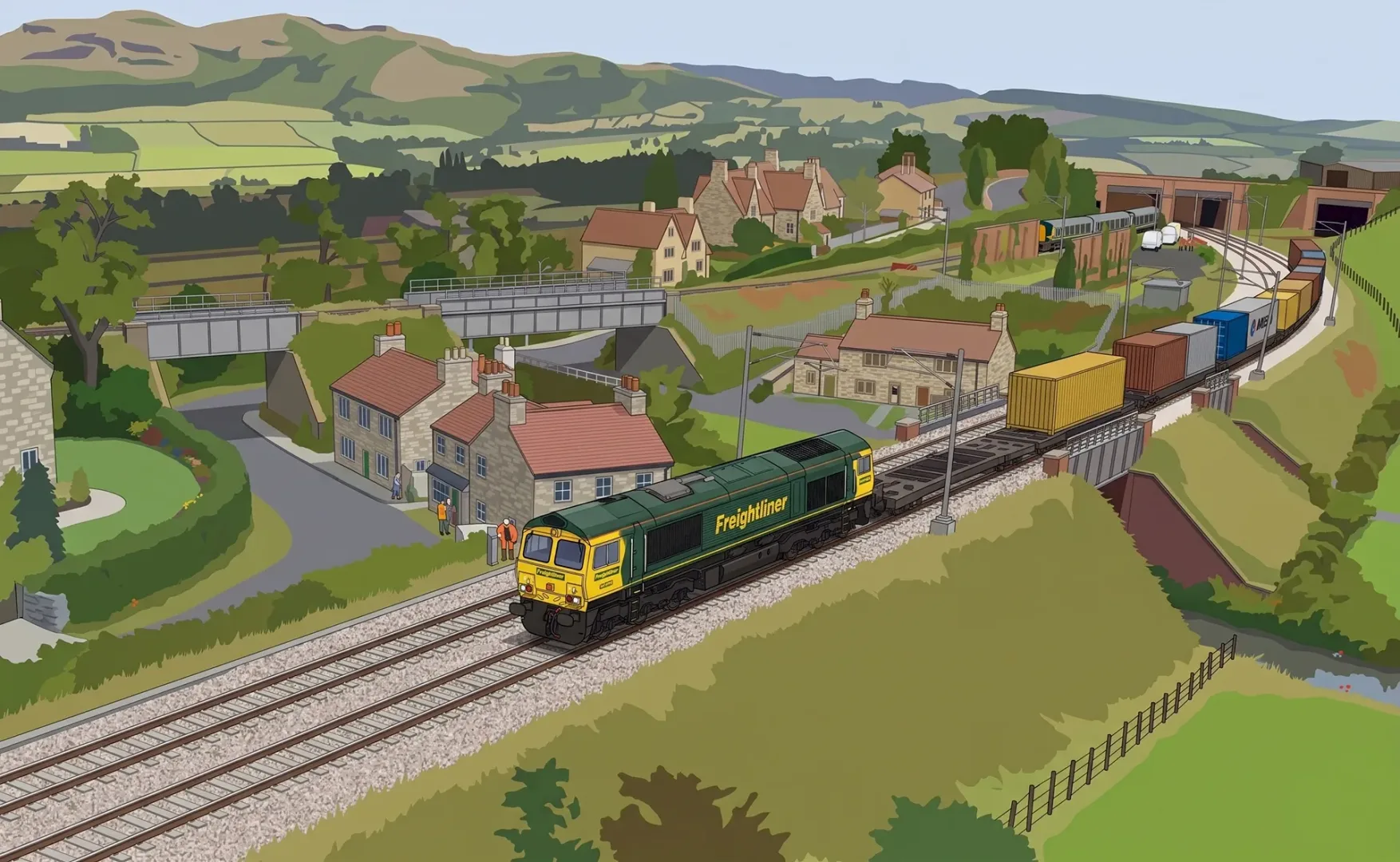
A contemporary layout often needs fewer structures than people think. A modern depot throat, freight terminal edge or commuter station approach can look convincing without acres of track. The challenge is realism in the details - signalling, fencing, markings and clean geometry all matter more.
Heritage railway
This is an especially flexible idea for home builders. A preserved line gives you an excuse for mixed stock, restored buildings, volunteer activity and visiting locomotives. It can also justify shorter formations and selective compression in a very believable way.
When the best idea is the one you can finish
There is a quiet advantage in choosing a layout concept with a clear endpoint. A fully scenic shunting plank often brings more pride than a half-built empire. That does not mean thinking small for the sake of it. It means being honest about time, cost and attention span.
One useful test is this: can you describe the layout in one sentence? If you can, the concept is probably focused enough. “A 1950s branch terminus in the West Country.” “An N gauge modern freight line on a garage wall.” “A dock shunting layout with heavy weathering and wagon loads.” Clear ideas are easier to build, improve and share.
If you are still deciding, spend less time asking which layout is objectively best and more time asking which one you would happily keep working on through the fiddly bits. The right plan is the one that keeps drawing you back to the railway board, one evening at a time.
Related Posts
Comments (0)
Community Guidelines
Keep all comments friendly. Feedback should be constructive and no derogatory comments are tolerated.
Sign in to join the conversation
No comments yet
Be the first to share your thoughts!